

The Impact of War and Regional Tensions on the Chemical Market in Iran and Worldwide
The global chemical market is one of the most sensitive sectors to geopolitical tensions. Wars and regional conflicts not only disrupt transportation routes but also affect the prices of essential materials such as caustic soda flakes, sulfuric acid, and barite across the world.
Why Are Chemicals So Sensitive to War?
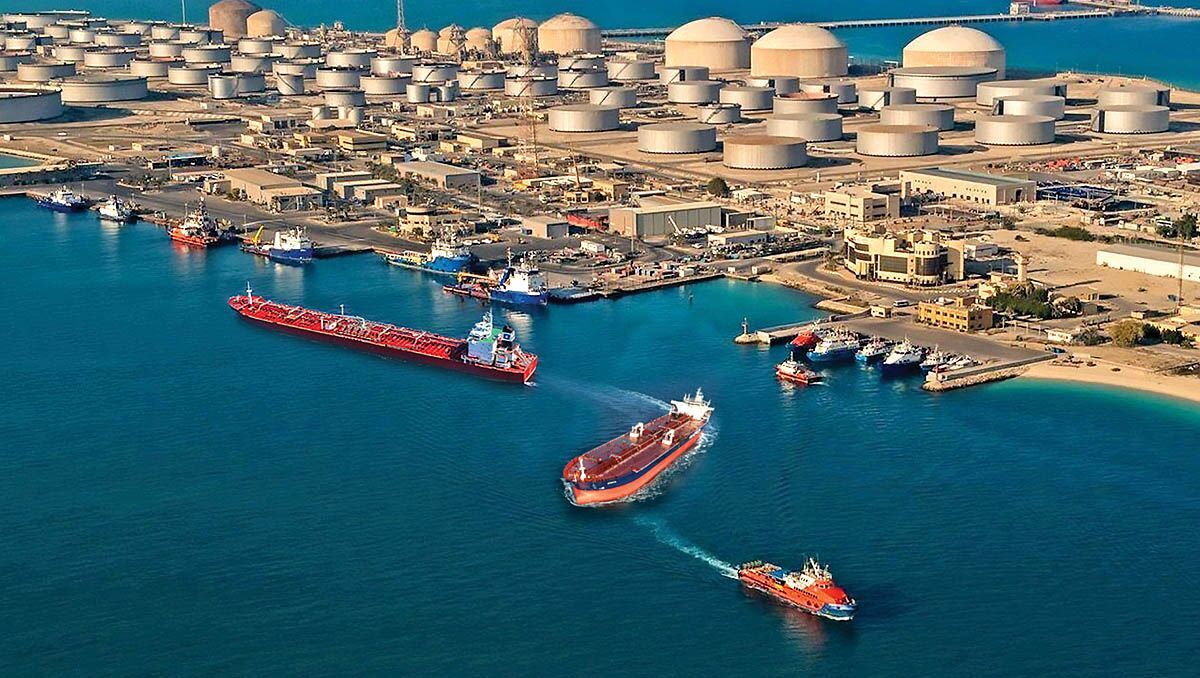
The chemical industry is one of the few industries that depends simultaneously on energy (oil and gas), maritime transportation routes, and stable currency markets. When a conflict occurs in the Middle East, all three of these factors are disrupted at the same time, creating ripple effects that extend to soap manufacturing plants, textile factories, and oilfield operations worldwide. The Strait of Hormuz alone handles approximately half of the global trade in sulfur and related acids. Any closure or security threat to this waterway—even for a short period—can disrupt chemical supply chains from Australia to Europe.
The Impact of War on Caustic Soda (Caustic Soda Flakes)
Caustic soda is one of the most widely used industrial chemicals in the world, with applications in paper manufacturing, textiles, soap production, water treatment, aluminum processing, and petrochemicals. In 2025, its price experienced unprecedented regional differences:
- Europe: Up 10.5% due to transportation disruptions and high energy costs.
- North America: Down 21% due to lower domestic demand and excess supply.
- China: Down 10–12% due to high production capacity and weak domestic demand.
- India: Relatively stable due to consistent domestic demand and ongoing capacity expansion.
- Iran: Facing a double burden of sanctions, regional instability, and currency fluctuations.
- For Iranian producers and traders, the simultaneous pressure of international sanctions and regional tensions has created significant challenges. On one hand, access to modern production technologies is limited, and on the other hand, currency volatility has made the cost of imported raw materials highly unpredictable.
The Impact on the Barite Market
Barite (barium sulfate), more than 80% of which is consumed in the oil and gas drilling industry, is directly tied to the energy market. Whenever regional tensions drive oil prices higher, drilling projects become more economically attractive, leading to increased demand for barite.
Iran possesses substantial barite reserves. In situations where regional tensions disrupt supplies from other sources, Iranian producers capable of exporting through alternative routes can benefit from the resulting supply gap. Markets such as Iraq, Turkey, and India represent realistic export opportunities for Iranian barite
.
Structural Effects of War on the Global Supply Chain
Recent conflicts in the Middle East have created several structural disruptions in the chemical market:
Nitrogen and Fertilizer Crisis: Disruptions in transportation routes have reduced global nitrogen trade volumes by nearly half. This affects not only the fertilizer industry but also food production and ultimately global inflation.
Sulfur and Sulfuric Acid Crisis: Sulfuric acid, often referred to as the “King of Chemicals,” is widely used in fertilizers, metals processing, pharmaceuticals, and batteries. The market has come under significant pressure. Turkey has announced a ban on sulfur exports, while India is considering similar restrictions.
Rising Transportation Costs: Insecure shipping routes have forced carriers to use longer and more expensive routes. These additional costs are directly reflected in the final price of chemical products.
Impact on Mining Operations: The cost of diesel fuel and sulfuric acid required for metal processing has risen sharply in copper, zinc, and cobalt mines across Africa and Australia.
Recommendations for Industrial Buyers
In a volatile market driven by geopolitical tensions, industrial buyers should reassess their procurement strategies:
- Increase buffer inventory levels to withstand sudden supply disruptions.
- Diversify sourcing channels instead of relying on a single supplier.
- Work with suppliers that offer long-term contracts with fixed pricing.
- Prioritize reliable domestic suppliers to reduce dependence on imports.
Petrola, with years of experience in the production and trading of caustic soda flakes, barite, and other chemical and mineral products, is ready to meet your industrial requirements with stable inventory, competitive pricing, and on-time delivery.

Caustic Soda Flakes Manufacturers in Iran | Introducing Reputable Caustic Soda Flakes Brands
Chemical Export Trends from Iran to Neighboring Countries | 2025 Analysis

Caustic Soda and Its 7 Special Applications

Applications of Barite 4.2 in Drilling | Properties, Benefits, and Market
Calcium Chloride 94% – Applications and Purchase
Calcium Chloride 94%: A Key Product for Global Industries and Export to Arab CountriesCalcium Chloride 94%
- Technical ArticlesCalcium Chloride 94%: A Key Product for Global Industries and Export to Arab CountriesCalcium Chloride 94%
- Technical ArticlesThe Impact of War and Regional Tensions on the Chemical Market in Iran and Worldwide
- Technical ArticlesChemical Export Trends from Iran to Neighboring Countries | 2025 Analysis
- Technical ArticlesCalcium Chloride 94% – Applications and Purchase
- Technical ArticlesApplications of Barite 4.2 in Drilling | Properties, Benefits, and Market