
Chemical Export Trends from Iran to Neighboring Countries | 2025 Analysis
Iran is one of the largest producers of chemicals in the Middle East, exporting millions of tons of petrochemical and basic chemical products to neighboring countries annually. Its strategic geographic location, low production costs, and extensive network of petrochemical plants have given Iran a prominent position in regional markets. This article examines the trends in…

Iran is one of the largest producers of chemicals in the Middle East, exporting millions of tons of petrochemical and basic chemical products to neighboring countries annually. Its strategic geographic location, low production costs, and extensive network of petrochemical plants have given Iran a prominent position in regional markets.
This article examines the trends in exports, key markets, and the future trajectory of Iran’s chemical exports.
Why does Iran have an advantage in chemical exports?
Access to abundant energy and feedstock resources
Chemical production relies on natural gas and crude oil, and Iran, with its vast reserves, has access to one of the cheapest petrochemical feedstocks.
Mass production and product diversity
Iran exports over 100 types of chemical and petrochemical products, including:
- Caustic Soda
- Polyethylene and Polypropylene
- Methanol
- Urea and Ammonia
- Solvents and Alcohols
- Acids: Sulfuric, Hydrochloric, Phosphoric, etc.
Geographic proximity to 15 countries
Neighboring countries of Iran import billions of dollars’ worth of chemicals annually, and border proximity significantly reduces transportation costs.
Key Markets for Iran’s Chemical Exports
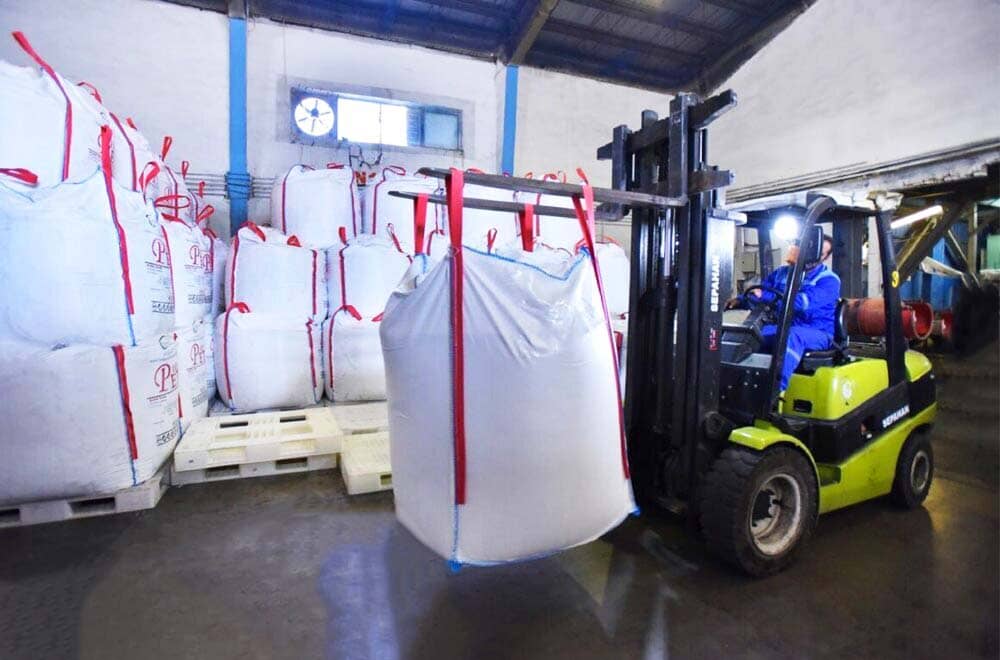
Neighboring countries’ markets are among the most important destinations for Iran’s chemical exports. Due to geographic proximity, low transportation costs, and high industrial demand, these countries import significant volumes of Iranian chemical products annually. The main export destinations are as follows:
Turkey
Turkey is one of the primary and largest buyers of Iranian chemicals. Its extensive industries in polymer production, textiles, and water treatment require significant quantities of polymers, caustic soda, and various solvents. Border proximity and the ability for fast, low-cost transport have made many Turkish companies long-term customers of Iranian chemical products.
Iraq
Iraq is the largest consumer market for industrial, construction, and hygiene chemicals in the region. The country requires substantial volumes of acids, caustic soda, detergents, resins, and chemical raw materials for its construction and industrial projects. Its extensive land borders and highly cost-effective transport make Iraq one of Iran’s most profitable export destinations.
Afghanistan
Afghanistan has experienced growth in small and medium-sized industries in recent years, increasing the demand for chemical raw materials. Products such as acids, polymers, detergents, and industrial additives top the list of imports. Due to the lack of large domestic producers, Afghanistan’s market is stable and low-competition for Iran.
Pakistan
Pakistan, due to the development of textile, agricultural, and pharmaceutical industries, is a significant consumer of chemicals, including polymers, acids, and industrial raw materials. Convenient access via Chabahar port and southeastern land routes facilitates Iran’s exports to Pakistan, making it a strategic destination.
CIS Countries
CIS countries such as Armenia, Azerbaijan, Turkmenistan, and Kazakhstan are major importers of polymers, methanol, additives, and chemicals used in agriculture and industry. Active land and rail transport routes from northern Iran provide a significant competitive advantage for exports to these countries.
Growth Trend of Iran’s Chemical Exports (2018–2025)
Iran’s chemical exports have experienced an upward trend in recent years, driven by several factors. First, the production capacity of basic products like methanol and urea has significantly increased; Iran now produces over 15 million tons of methanol, with the majority exported to regional countries.
Moreover, the demand for strategic products such as caustic soda and various polymers has grown significantly in neighboring countries. The expansion of textile, water treatment, construction, and detergent industries has increased imports of acids, caustic flakes, and polymer materials from Iran.
Another important factor is the improvement in production quality at Iran’s petrochemical plants. With enhanced manufacturing standards and Iranian products approaching European and Asian quality levels, Iran’s competitiveness in regional markets has increased, making exports more diverse and sustainable.

Challenges in Iran’s Chemical Exports
Despite the growth in chemical exports, Iranian exporters still face challenges that can slow market expansion. The main challenges include:
One of the main issues is currency fluctuations and changes in transportation costs, which directly affect final product prices and make long-term planning difficult for exporters. Additionally, banking restrictions and money transfer limitations are significant barriers in international trade; as a result, many buyers in neighboring countries prefer traditional, cash, or even barter payment methods.
Another key issue is intense competition from foreign producers. Countries like China and Saudi Arabia, with competitive prices and stable supply especially in markets like Turkey pose challenges for Iranian exporters. This competition highlights the need to improve product quality, maintain supply stability, and enhance export services.
Golden Opportunities to Increase Exports
Alongside challenges, the regional market offers significant opportunities to expand Iran’s chemical exports. One major opportunity is increasing the production of high value-added products. Products such as export-grade caustic soda, resins, and polymer additives have growing demand and higher prices than basic products, potentially multiplying export profitability.
Another opportunity is the expansion of new transport routes. The activation of the North South Corridor and development of the Chabahar Pakistan Afghanistan routes can reduce shipping costs and significantly improve delivery times. These routes enhance the competitiveness of Iranian exporters in Central and South Asian markets.
The growth of consumer industries in neighboring countries is also an important advantage. The development of sectors such as construction, refining, textiles, water treatment, and polymer industries generates continuous demand for Iranian chemicals and increases export capacity in the coming years.
The Future of Iran’s Chemical Exports
Considering current trends in regional markets, the outlook for Iran’s chemical exports is very positive. It is predicted that by 2028, Iran’s exports to neighboring countries will grow by 30–40%. An increase in Iran’s market share in key countries like Turkey and Iraq is also likely, making them primary and stable export destinations.
In the coming years, specialty chemicals and high-purity industrial grades are expected to play a more prominent role in Iran’s exports. At the same time, high-demand products such as caustic soda, methanol, polyethylene, and various acids will continue to grow, maintaining a significant share of total exports.
Summary
Chemical exports from Iran to neighboring countries are among the most stable and profitable segments of Iran’s foreign trade.
Geographic proximity, competitive production costs, product diversity, and access to land and sea transport have given Iran a strong position in regional markets.
In the coming years, with the development of higher value-added products and strengthened transport routes, Iran’s chemical exports can capture a larger share of neighboring markets.

Applications of Barite 4.2 in Drilling | Properties, Benefits, and Market

Caustic Soda Flakes Manufacturers in Iran | Introducing Reputable Caustic Soda Flakes Brands
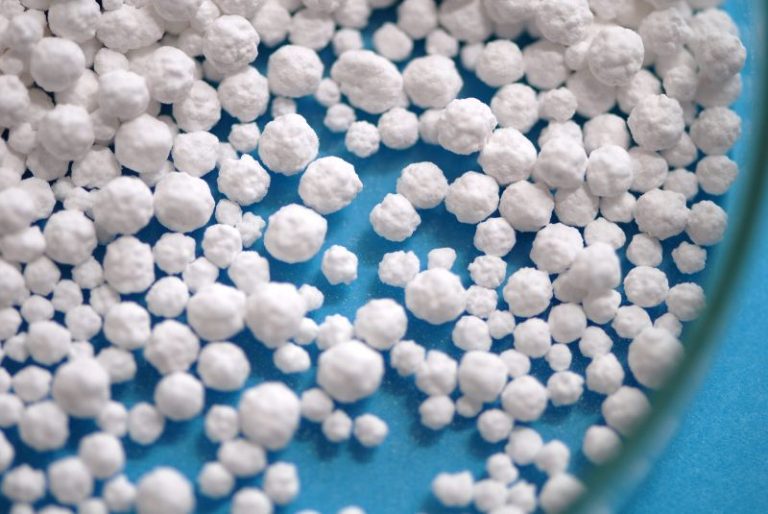
Calcium Chloride 94% – Applications and Purchase

Caustic Soda and Its 7 Special Applications
- Technical ArticlesChemical Export Trends from Iran to Neighboring Countries | 2025 Analysis
- Technical ArticlesCalcium Chloride 94% – Applications and Purchase
- Technical ArticlesApplications of Barite 4.2 in Drilling | Properties, Benefits, and Market
- Technical ArticlesCaustic Soda Flakes Manufacturers in Iran | Introducing Reputable Caustic Soda Flakes Brands
- Technical ArticlesCaustic Soda and Its 7 Special Applications